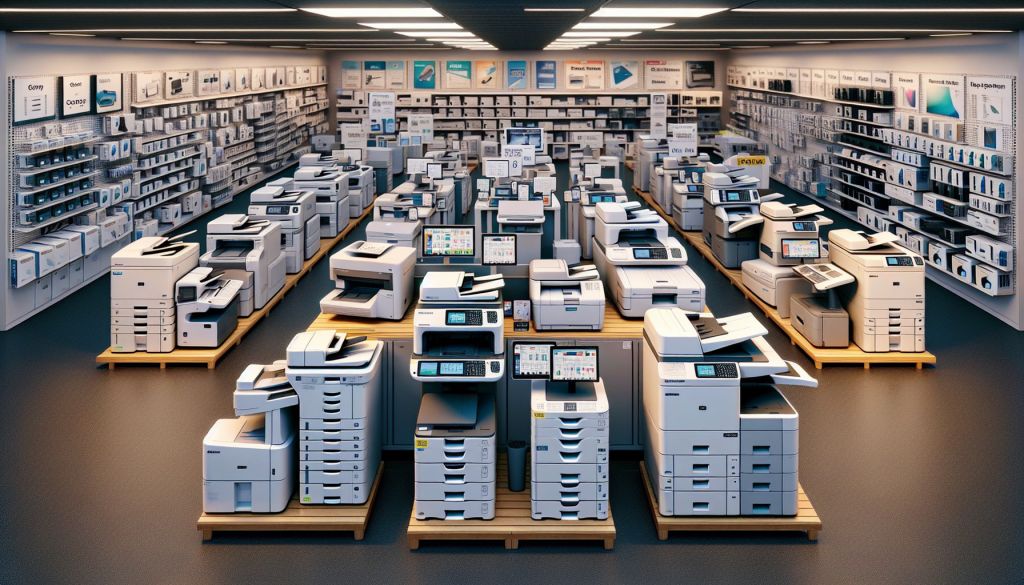
In today's fast-paced business environment, companies are constantly looking for ways to optimize their operations, reduce costs, and maintain flexibility. One strategy that has gained popularity is flexible leasing, particularly for essential office equipment like copiers and multifunction printers (MFPs). Whether youre considering a copier rental service or exploring long-term copier and multifunction printer lease and sales options, understanding the key metrics for assessing the benefits of flexible leasing is crucial.
This article will guide you through the essential metrics to evaluate when considering flexible leasing for your office equipment. By the end of this piece, you'll be equipped with the knowledge to make informed decisions that align with your business goals.
Before diving into the metrics, let's clarify what flexible leasing entails. Flexible leasing allows businesses to rent equipment for a specific period without the long-term commitment of purchasing. This model is particularly beneficial for companies that need access to the latest technology or require scalability in their operations.
For copiers, printers, and MFPs, flexible leasing options often include copier rental services or lease agreements that can be adjusted based on usage, making them ideal for businesses with fluctuating needs.
One of the primary advantages of flexible leasing is its impact on a company's finances. Here are some cost-related metrics to assess:
The TCO includes all expenses associated with owning and operating the equipment, such as the lease payments, maintenance, repairs, and consumables (e.g., ink, toner). When evaluating a leasing option, calculate the TCO over the lease term and compare it to the cost of purchasing the equipment outright.
Flexible leasing typically offers lower monthly payments compared to traditional financing options. This is because you're paying for the use of the equipment rather than its full purchase price. Assess whether the monthly payments align with your budget and cash flow projections.
Consider the opportunity costs of tying up capital in purchasing equipment. With flexible leasing, you can allocate funds to other critical areas of your business, such as marketing, R&D, or hiring.
Many leasing agreements include maintenance and service contracts, which reduce unexpected repair costs. Evaluate whether these inclusions are part of the package and how they impact your overall expenses.
Business needs can change rapidly, and your equipment should adapt to these changes. Flexible leasing offers scalability, allowing you to upgrade, downgrade, or add equipment as needed.
Assess whether the leasing agreement allows you to upgrade to newer models during the term. This is particularly important for technology like printers and copiers, where advancements can significantly improve efficiency.
Evaluate the terms of the lease, such as the length of the contract and the ability to adjust the agreement based on changing business requirements. Look for providers that offer flexible terms, such as month-to-month agreements or the option to terminate early without hefty penalties.
Some leasing options are structured based on usage, where you pay according to how much you use the equipment. This is ideal for businesses with variable demand. For example, a copier rental service might charge based on the number of pages printed.
Staying competitive often requires access to the latest technology. Leasing allows businesses to avoid the financial burden of purchasing new equipment while still benefiting from cutting-edge features.
Assess how quickly the equipment becomes obsolete and whether the leasing agreement allows you to upgrade to newer models. For instance, leasing an MFP with advanced scanning and cloud connectivity features can enhance productivity.
Newer models are often more energy-efficient, which can lead to long-term cost savings. Evaluate the energy consumption of the leased equipment and its impact on your utility bills.
With data breaches on the rise, ensure that the leased equipment includes the latest security features, such as encryption and secure printing options.
Leasing can help mitigate risks associated with equipment ownership, such as maintenance, repairs, and technological obsolescence.
Most leasing agreements include maintenance and support services, reducing the risk of downtime and unexpected repair costs. Assess the responsiveness and quality of the provider's support team.
Check if the lease includes warranty coverage for the term of the agreement. This ensures that you're protected against defects or malfunctions.
Understand the terms of the lease regarding liability for equipment damage or loss. Flexible leasing often shifts some of the liability to the provider, reducing your financial exposure.
Leasing can have several financial advantages, including tax benefits and improved cash flow management.
Lease payments are often tax-deductible as operating expenses, which can reduce your taxable income. Consult with your financial advisor to understand how this applies to your business.
By avoiding the upfront costs of purchasing equipment, leasing helps conserve cash flow. This is especially beneficial for small and medium-sized businesses (SMBs) with limited capital.
Evaluate the options available at the end of the lease term, such as purchasing the equipment, renewing the lease, or returning the equipment. This flexibility allows you to make decisions based on your future needs.
To illustrate the benefits of flexible leasing, let's look at two real-life examples:
A startup with fluctuating print volumes opted for a copier rental service to manage their printing needs. By paying per page, they avoided the upfront cost of purchasing an MFP and scaled their service as their business grew. This allowed them to allocate more funds to product development and marketing.
A large enterprise upgraded their entire fleet of printers and copiers through a flexible leasing agreement. The lease included regular maintenance and the option to upgrade every two years. This ensured that they always had access to the latest technology, improving efficiency and reducing downtime.
Leasing typically involves a longer-term agreement, while renting is often short-term. For example, a copier rental service might be used for a specific event or project, whereas leasing is for ongoing use.
Flexible leasing is ideal for businesses with fluctuating needs or those that want access to the latest technology without significant upfront investment. However, it may not be the best option for businesses with stable, long-term equipment needs.
Research providers, read reviews, and compare their terms, including contract flexibility, maintenance services, and upgrade options.
Yes, many providers offer bundled solutions that include printers, copiers, and other office equipment in a single agreement.
At the end of the lease, you can purchase the equipment, renew the lease, or return the equipment, depending on the terms of your agreement.
Flexible leasing offers a compelling solution for businesses looking to optimize their operations while managing costs. By assessing key metrics such as cost efficiency, scalability, access to technology, risk mitigation, and financial benefits, you can determine whether flexible leasing aligns with your business goals.
Whether you're exploring copier and multifunction printer lease and sales options or considering a copier rental service, the right leasing agreement can enhance your productivity, reduce risks, and provide the flexibility your business needs to thrive.
Are you ready to take the next step? Share your thoughts in the comments below, or contact us to learn more about how flexible leasing can benefit your organization.
This article is part of a series on office equipment solutions. For more insights, check out our previous post on choosing the right copier for your business.